

Story audio is generated using AI
Electricity minister Kgosientsho Ramokgopa has rallied behind artificial intelligence (AI), saying it presents enormous opportunities to address the unemployment scourge.
He warned, however, that if not properly managed, the technology could displace workers and deepen inequalities.
Delivering the keynote address on behalf of deputy president Paul Mashatile at the National Economic Development and Labour Council (Nedlac) annual summit in Pretoria on Friday, Ramokgopa said this year’s theme, “Advancing Inclusive Growth and Decent Work in the Age of AI”, could not be timelier.
“AI and digital technologies are rapidly changing the way economies operate, businesses produce goods and services, governments deliver services, and people work. These developments present enormous opportunities. AI can improve productivity, support innovation, strengthen service delivery, create new industries, and open new opportunities for entrepreneurship and employment,” he said.
“However, we must also recognise that technological progress is not automatically inclusive. If not properly managed, technological change can deepen existing inequalities, displace workers, widen the digital divide, and exclude those who do not have access to the skills and infrastructure required to participate in the new economy.”
AI was already changing the world of work, and affecting some occupations. “Some tasks will become automated. New occupations will emerge, while existing occupations will require new skills. We must therefore ensure that our approach to AI is centred on people,” Ramokgopa said.
“The transition to an AI-enabled economy must not leave workers behind. This requires investment in education, skills development, reskilling and lifelong learning. Our young people, in particular, must be equipped to participate meaningfully in the digital economy.
“We must also ensure that workers are protected as workplaces undergo technological transformation. This is an area in which social dialogue will be particularly important. Business will need to consider how technology can improve productivity while supporting workers through periods of transition,” he said.
“Labour will need to engage constructively on how workers can be prepared for changing workplaces while protecting decent work. Government must create an enabling policy and regulatory environment. Communities must also be part of the conversation, particularly where technological change intersects with inequality, access to opportunity and the future of local economies.”
Meanwhile, Ramokgopa said social dialogue was central to South Africa’s democratic project as it provided a platform through which government, business, labour and communities could engage, identify areas of common interest and work towards solutions to the challenges facing the economy and society.
“South Africa continues to confront difficult economic and social challenges, including unemployment, inequality and poverty. Our response requires more than the efforts of government alone,” the minister said.
“It requires meaningful partnerships between government, business, labour and communities. Social dialogue can assist us in building greater consensus around the difficult choices that must be made to place our economy on a more sustainable and inclusive growth path.
“The value of Nedlac is therefore not simply in bringing different constituencies together. Its real value lies in converting dialogue into practical action. We must ask ourselves how the agreements and discussions that take place within our social dialogue structures can contribute more directly to investment, economic growth, employment creation, skills development and improved livelihoods.”
This comes as labour recently raised concern about being excluded from a partnership between business and the government aimed at unlocking 3% economic growth, creating jobs and boosting investment confidence.
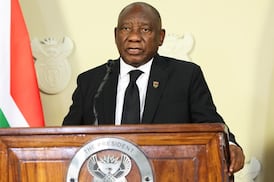
President Cyril Ramaphosa recently launched phase 3 of the business-government partnership, which he said marked the next chapter in the joint effort to accelerate inclusive economic growth, unlock investment, strengthen confidence and create jobs.
“Phase 3 is focused on urgently addressing the societal crisis of low growth and unemployment. It adds additional sectors to the partnership platform, with the goal of 3%+ growth and 1-million additional jobs by 2030,” Ramaphosa had said.
“The challenge is urgent. While growth has improved over the past two years, it remains too low to meaningfully expand employment; 8.5-million people are without work, and about 300,000 net new work-seekers enter the labour force every year. At below 3% growth, new entrants outpace job creation; above it, jobs compound. Phase 3 is designed to get South Africa decisively above that line.”
Business Day




Would you like to comment on this article?
Sign up (it's quick and free) or sign in now.
Please read our Comment Policy before commenting.